
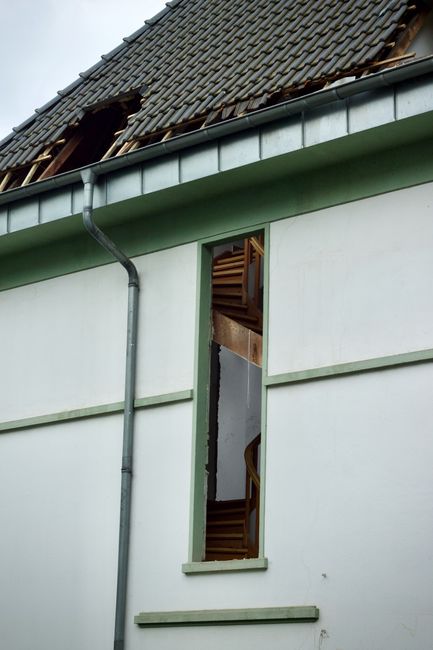
A roof leak may be covered by homeowners insurance, but coverage usually depends on what caused the leak, whether the policy covers that cause of damage, and whether the roof was reasonably maintained. Insurance generally responds to sudden, accidental damage—not gradual deterioration or neglected repairs.
For households in Dickson, heavy rain, strong winds, hail, falling limbs, and seasonal storms can all create roof problems. The key question is not simply whether the roof is leaking. It is why the roof is leaking.
Does homeowners insurance cover a roof leak?
Usually, homeowners insurance may cover a roof leak when it results from a covered event, such as:
- Wind damage
- Hail damage
- A tree or large limb falling on the roof
- Damage caused by the weight of ice, snow, or other covered conditions, depending on the policy
- A sudden event that punctures or tears roofing materials
For example, if a severe storm blows shingles off a roof and rain enters through the damaged area, the policy may cover repairs to the roof and resulting water damage inside the home, subject to the deductible and policy limits.
Coverage is less likely when the leak results from age, rot, poor workmanship, worn sealant, missing maintenance, or a roof that has gradually deteriorated over time.
What roof leaks are usually not covered?
Homeowners insurance generally does not pay to replace a roof simply because it is old or has reached the end of its useful life. A policy is not a maintenance plan.
Common exclusions or limitations may apply to leaks caused by:
- Normal wear and tear
- Long-term deterioration
- Rot, mold, or insect damage
- Repeated seepage over an extended period
- Poor maintenance
- Defective construction or improper installation
- Damage that existed before the policy began
- Flooding or rising water
A roof may look acceptable from the ground but still have cracked flashing, deteriorated pipe boots, loose ridge caps, or damaged shingles. If those conditions developed gradually, the insurer may determine that the resulting leak is a maintenance issue rather than a covered loss.
The policy language controls. Some policies also contain special limits or exclusions for older roofs, cosmetic damage, or certain types of wind and hail loss.
If the roof is damaged by a storm, is the entire roof covered?
Not necessarily. Insurance generally pays for covered damage, not every condition found during an inspection.
If wind damages a section of shingles, the insurer may pay for the damaged area and related interior damage. Whether the entire roof must be replaced can depend on the extent of the damage, the roof’s condition, matching requirements, local building requirements, and the policy’s terms.
An older roof can create additional complications. The insurer may argue that some damage existed before the storm or that the roof’s age contributed to the loss. Clear photographs taken before and after severe weather can help document the roof’s condition.
Does insurance cover water damage inside the home?
Interior damage may be covered when the water entered because of a covered roof event. This can include damage to ceilings, walls, insulation, flooring, or personal belongings, depending on the policy.
For example, if hail creates an opening in the roof and rain damages a bedroom ceiling, both the roof damage and the resulting interior damage may be considered as part of the same claim.
However, interior water damage is not automatically covered just because a ceiling is stained. If the roof had been leaking for months, or if the water came through an unrepaired maintenance problem, coverage may be limited or denied.
Policies may also exclude mold, mildew, or deterioration caused by repeated moisture. Some policies provide limited coverage for mold cleanup, while others exclude it unless it results from a covered event.
What is the difference between replacement cost and actual cash value?
The way a policy values the roof can significantly affect a claim payment.
Replacement cost coverage generally pays the cost to repair or replace covered damage with materials of similar kind and quality, without subtracting depreciation. The deductible still applies, and the policy may initially pay only the roof’s depreciated value before additional funds are released after repairs are completed.
Actual cash value coverage subtracts depreciation based on the roof’s age and condition. A roof that is older may receive a much smaller payment, even if the loss itself is covered.
For instance, a covered storm may damage a roof that is close to the end of its expected service life. Under actual cash value coverage, the settlement could be reduced substantially for age and wear. The homeowner may need to pay the difference between the insurance payment and the cost of a comparable replacement.
Review the declarations page and policy endorsements to determine whether the roof is insured on a replacement cost or actual cash value basis.
What should a homeowner do after discovering a leak?
Take reasonable steps to prevent further damage, but avoid making permanent repairs before the damage is documented and the insurer has an opportunity to inspect the property.
Useful first steps include:
- Place containers under active drips and move belongings away from the affected area.
- Take clear photographs and videos of the roof, ceiling stains, wet materials, and damaged belongings.
- Record when the leak was discovered and whether a recent storm may have caused it.
- Protect openings temporarily with a tarp or other safe temporary measure.
- Keep receipts for emergency materials or temporary repairs.
- Do not climb onto a wet or damaged roof.
- Report the loss promptly according to the policy’s notice requirements.
Temporary measures are often necessary, but they should be limited to preventing additional damage. Keep damaged shingles, roofing materials, or other evidence when it is safe to do so.
Can an insurance claim be denied because the roof was old?
An old roof is not automatically excluded from coverage, but age can affect both eligibility and the amount paid. An insurer may cover sudden storm damage while declining to pay for the roof’s pre-existing deterioration.
The age, condition, construction, and maintenance history of the roof may also affect renewal decisions or policy terms. A carrier may request photographs, an inspection, or repairs if the roof presents a substantial condition concern.
A denied claim should include an explanation based on the policy. Read the specific exclusion or limitation cited, compare it with the facts of the loss, and ask for clarification if the decision is unclear. Tennessee residents may also seek consumer assistance from the state insurance regulator if they believe a claim has not been handled according to the policy or applicable requirements.
How can homeowners reduce disputes over roof leaks?
Routine roof care cannot prevent every storm loss, but it can make the cause of damage easier to establish.
Keep records of roof installation, repairs, inspections, and maintenance. After major wind or hail, inspect the attic and ceilings for signs of moisture, but avoid unsafe roof access. Watch for lifted shingles, exposed underlayment, damaged flashing, granule loss, sagging areas, and water stains.
In a community that experiences intense rain and occasional severe storms, prompt attention matters. A small opening can allow water to spread through insulation, drywall, framing, and personal property before the exterior damage is obvious.
The practical rule is straightforward: insurance may cover a sudden roof leak caused by a covered event, but it generally does not cover a roof that leaks because it is worn out or poorly maintained. The cause of loss, policy wording, deductible, roof valuation method, and quality of documentation all influence the outcome.
